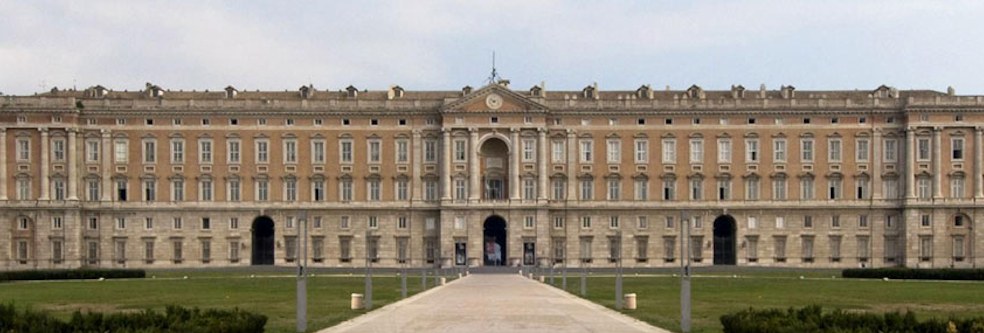
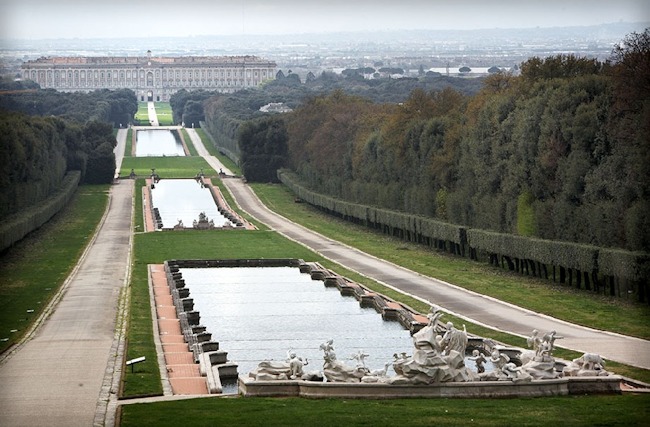
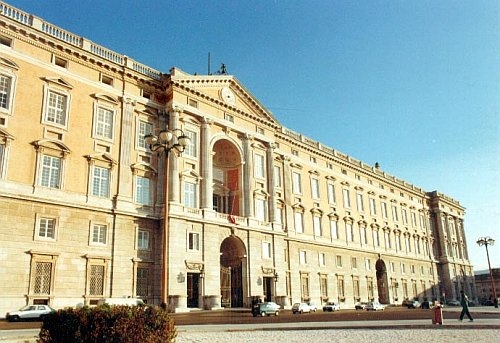
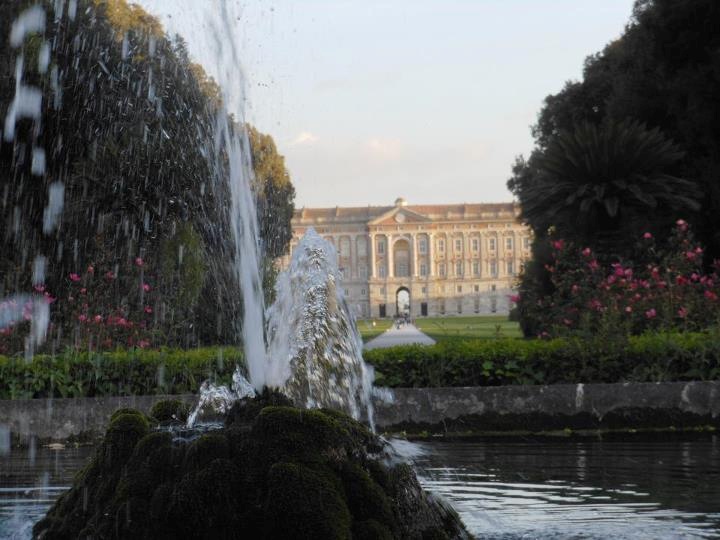
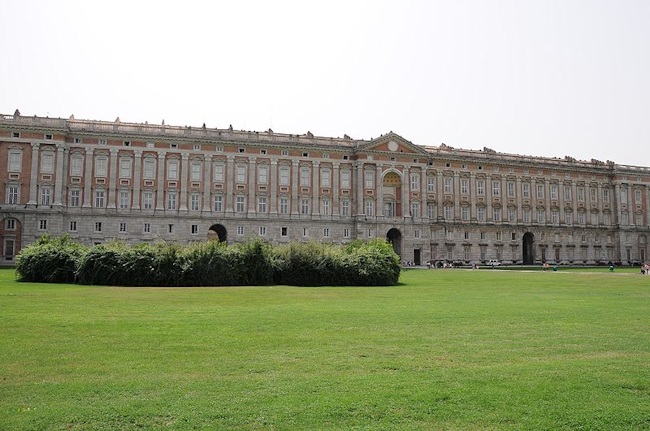
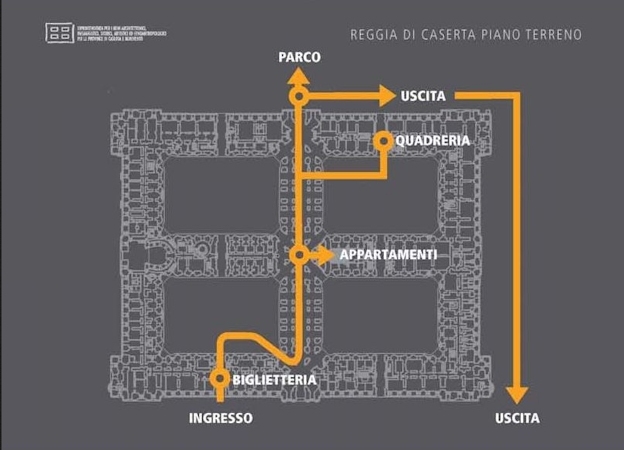
The Royal Palace of Caserta arise from the precise idea of planning the territory of Caserta named as the main city of the Kingdom of Naples. Majestic, elegant, the Royal Palace of Caserta joins a plant that sticks to the typical prodigy of a eighteenth-century royal palace. This programme was planned by Carlo di Borbone, king of Naples from 1734 to 1759 and the architect Luigi Vanvitielli. The Royal Palce has a more than 3 km long perspective axis that crosses the Royal Park and the Gallery, reaches the elliptic square in front of the back facade of the building and carries on along the axis that linked Caserta with Naples. The Royal Palace extends over a surface of 45000 mq and the internal space of the palace winds through 1200 rooms.
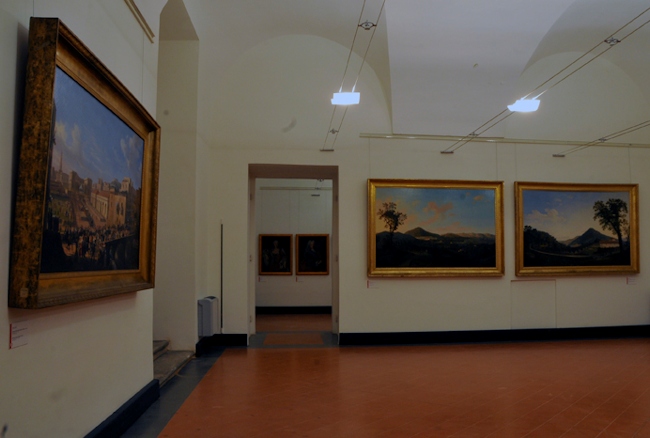
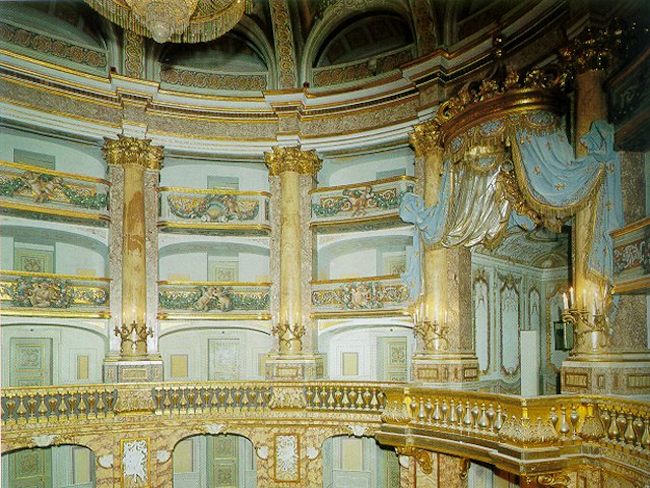
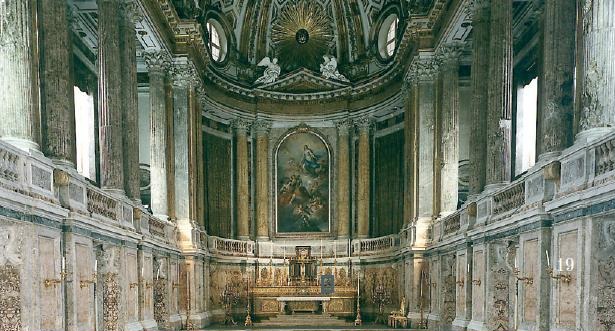
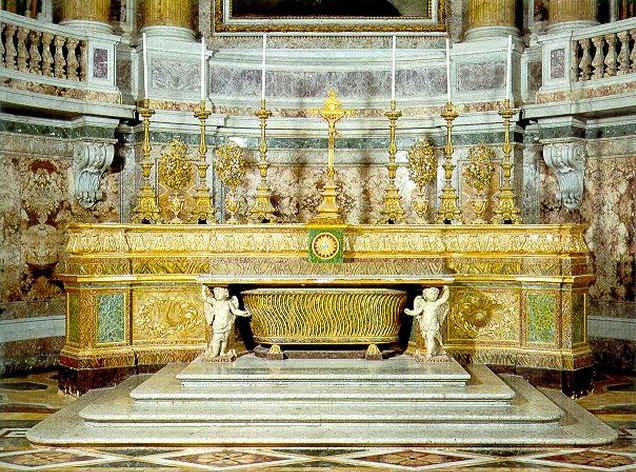
From the Scalone d’Onore it is possible to get to the Cappella Palatina, symbol of the royal supremacy, absolutist and catholic ant to royal apartments, embellished thanks to the decorations of artists and artisans, expression of the thaste and splendour of the Borbonic family. The Teatro della Corte was the temple of music and celebrations featuring the court’s life. Among many places of entertainment of the Borbonic family, it is remarkable the English Garden wanted by the Queen Maria Carolina. The Royal Palace also hosts The Museum of the Opera and the Territory, place assigned to the knowledge of the history of the Real Fabbrica di Caserta and the modern art exhibition Terrae Motus.